Study Tour/Social Impact Tour
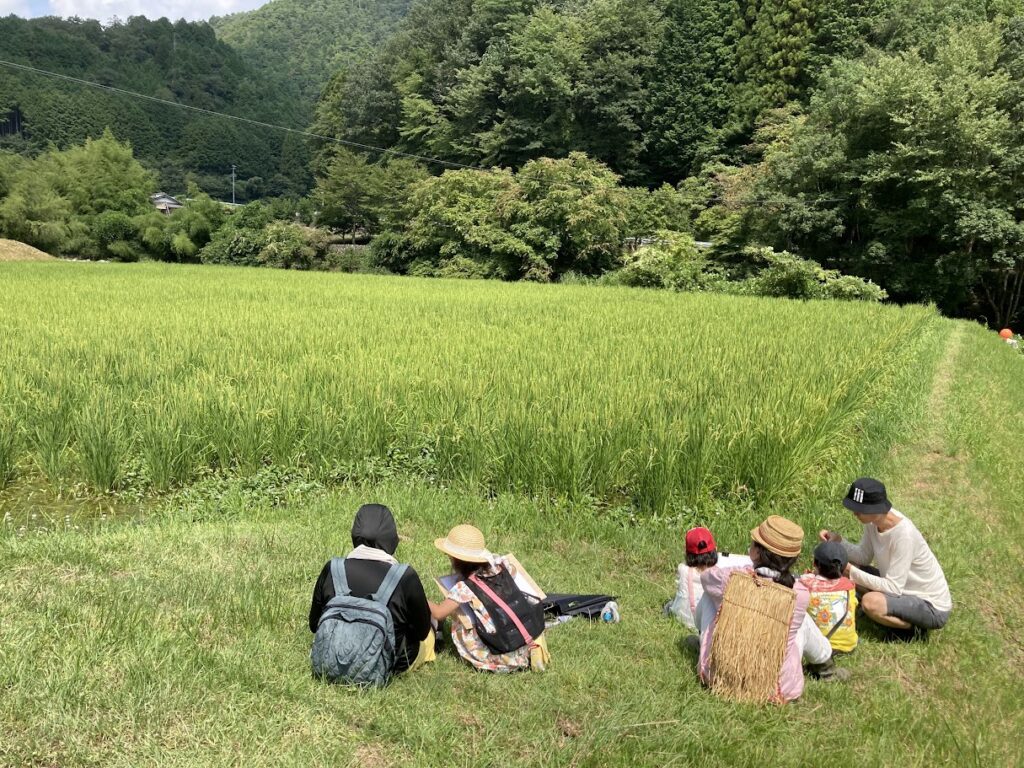
Embarking on a study tour in Japan is more than an educational trip; it is a journey into the heart of a culture balancing tradition and innovation. By stepping away from the typical tourist path, you will gain hands-on knowledge and diverse perspectives that are essential for understanding today’s complex global society.
What is a Study Tour?
A Study Tour is more than just a trip; it is an experiential learning journey focused on a specific theme. Unlike conventional sightseeing, the primary goal is to gain practical insights that go beyond the classroom. These tours are designed for students, researchers, and lifelong learners who want to engage with the world through fieldwork, site visits, and direct dialogue with local experts.
Key themes often explored include:
- Sustainability & Climate Resilience
- Rural Revitalization & Demographic Shifts
- Cultural Heritage & Traditional Lifestyles
- Regenerative Agriculture & Local Food Systems
What is a Social Impact Tour?
A Social Impact Tour focuses on understanding real-world challenges and becoming an active participant in community solutions. Stepping into the "front lines" of social issues—often in locations not accessible to the general public—participants hear directly from the people involved. These programs function like workshops, where you work alongside residents to create positive change.
The focus is on creating a meaningful ripple effect. Participants are not merely "tourists" but are welcomed as temporary members of the local community.
- Building Sustainable Communities
- Conservation of Natural Resources
- Preserving Local Heritage for the Next Generation
Our Approach: Why We Create These Journeys
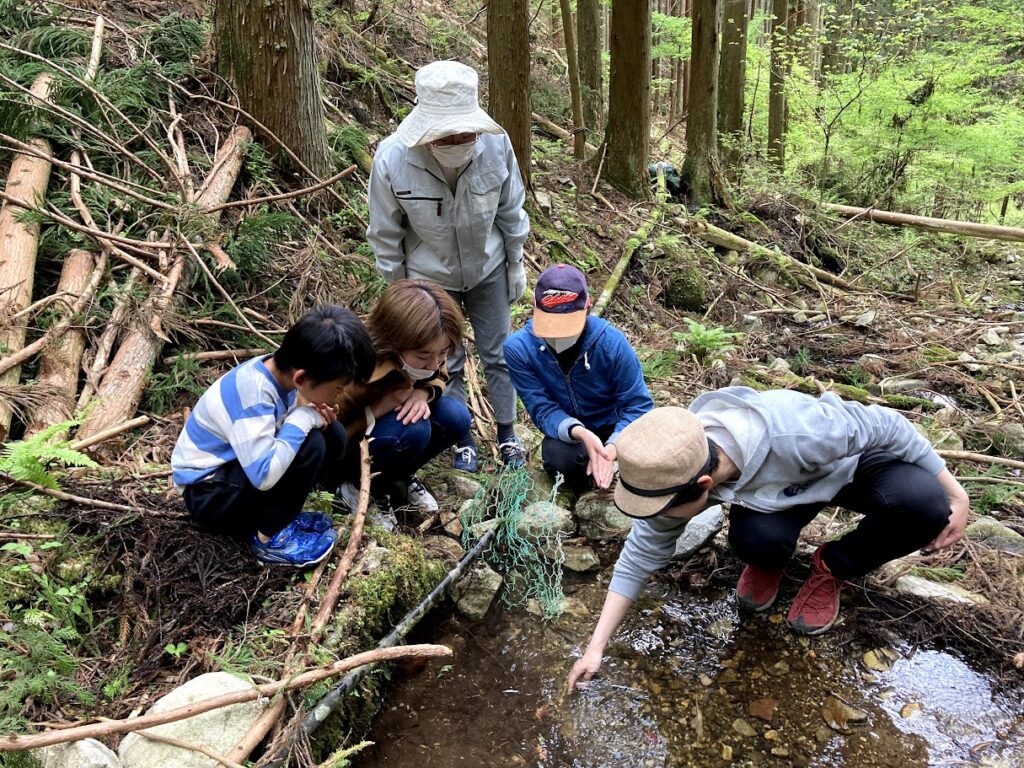
We believe the most profound learning happens when we bridge the gap between "visiting" and "belonging." Our programs are built on these core values:
Dialogue, Not Just Observation
Our tours are a two-way street. We prioritize deep dialogue between residents and participants, fostering mutual respect and an understanding of different values. We view the local community not as a "subject of study," but as an equal partner in a shared experience.
Access to the Authentic Reality
We take you where the typical traveler cannot go. You will enter the heart of daily life—a working rice paddy, a family kitchen, or a community meeting hall. These are the places where the "real" Japan lives, offering a raw and honest look at the challenges and beauty of rural life.
Creating a Sustainable Impact
We believe travel should be more than consumption. To us, "social impact" means a journey that transforms the way you think and act long after you return home. For the community, your fresh perspective and respectful engagement bring new energy and hope. We believe even a single conversation can be a catalyst for long-term change.
Reinvesting in the Community
Sustainability is at our core. A portion of the proceeds from every tour is reinvested into the communities that host us—supporting local farmers, artisans, and future regional initiatives. We ensure our tours grow in harmony with the local environment.
The Value of the Journey
We don't see travel as a one-directional act of "learning" or "helping." The true value lies in the process—the time spent together, the shared thoughts, and the relationships we build. We invite you to be a part of this continuing story of Rural Japan.
Field-Based Learning in Rural Gifu, Japan

Rural Japan’s Study Tour / Social Impact Tour is an eco-focused, fieldwork-based program centered on the satoyama landscapes of Ena and Nakatsugawa in Gifu Prefecture.
Designed for participants seeking more than observation, this program offers first-hand engagement with rural communities facing depopulation, environmental challenges, and cultural transition. Through direct interaction with local residents, participants gain a grounded understanding of contemporary rural Japan while exploring pathways toward sustainability and carbon-neutral living.
Why Gifu’s Rural Areas?
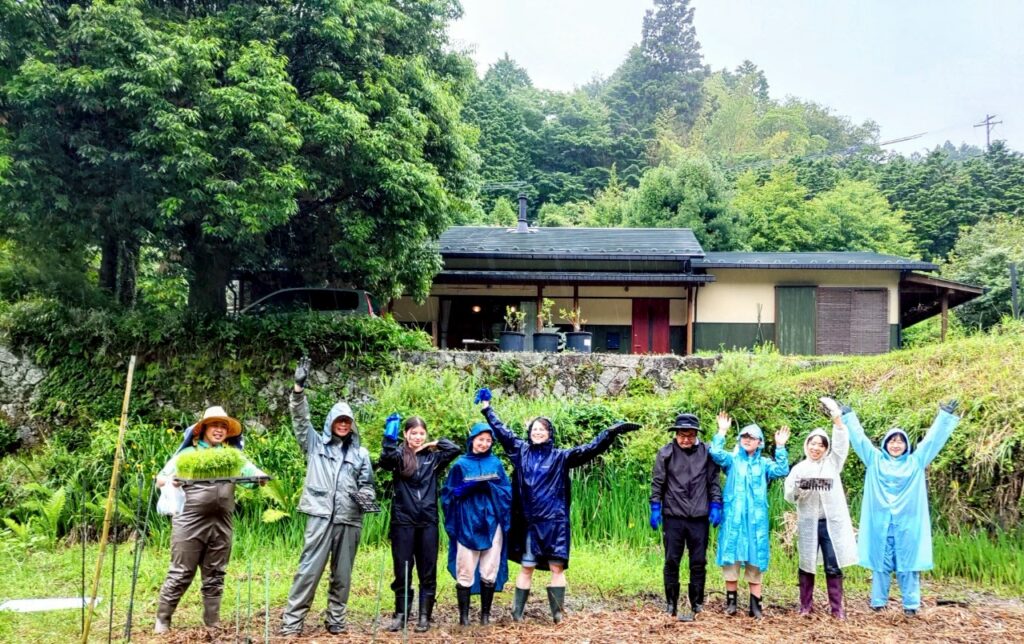
Gifu’s countryside represents many of the critical issues facing rural Japan today:
- Population decline and aging communities
- Environmental management of satoyama landscapes
- Sustainable agriculture and food systems
- Preservation of traditional knowledge and lifestyles
- Transition toward carbon neutrality at the local level
Rather than studying these topics in classrooms, participants experience them on-site, learning directly from the people who live and work there.
Program Highlights
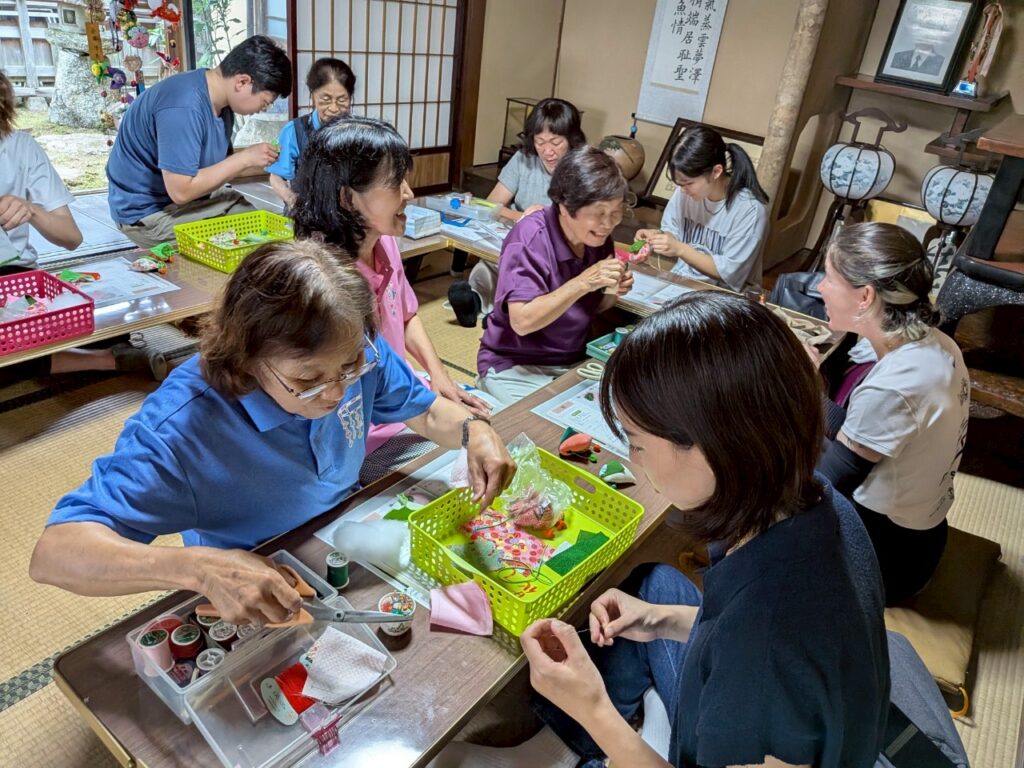
Hands-On Fieldwork with Local Communities
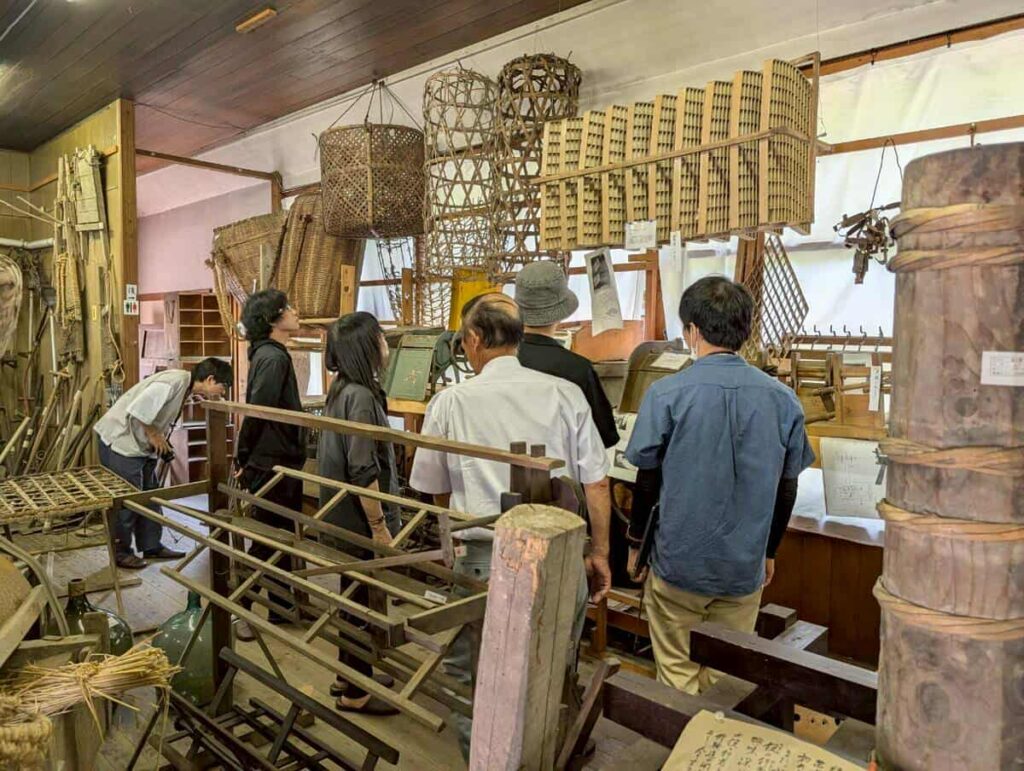
Participants take part in practical activities alongside local residents, such as farming, food preparation, forest management, or community projects. These shared experiences form the foundation for meaningful dialogue and learning.
Exploring Local and Environmental Issues
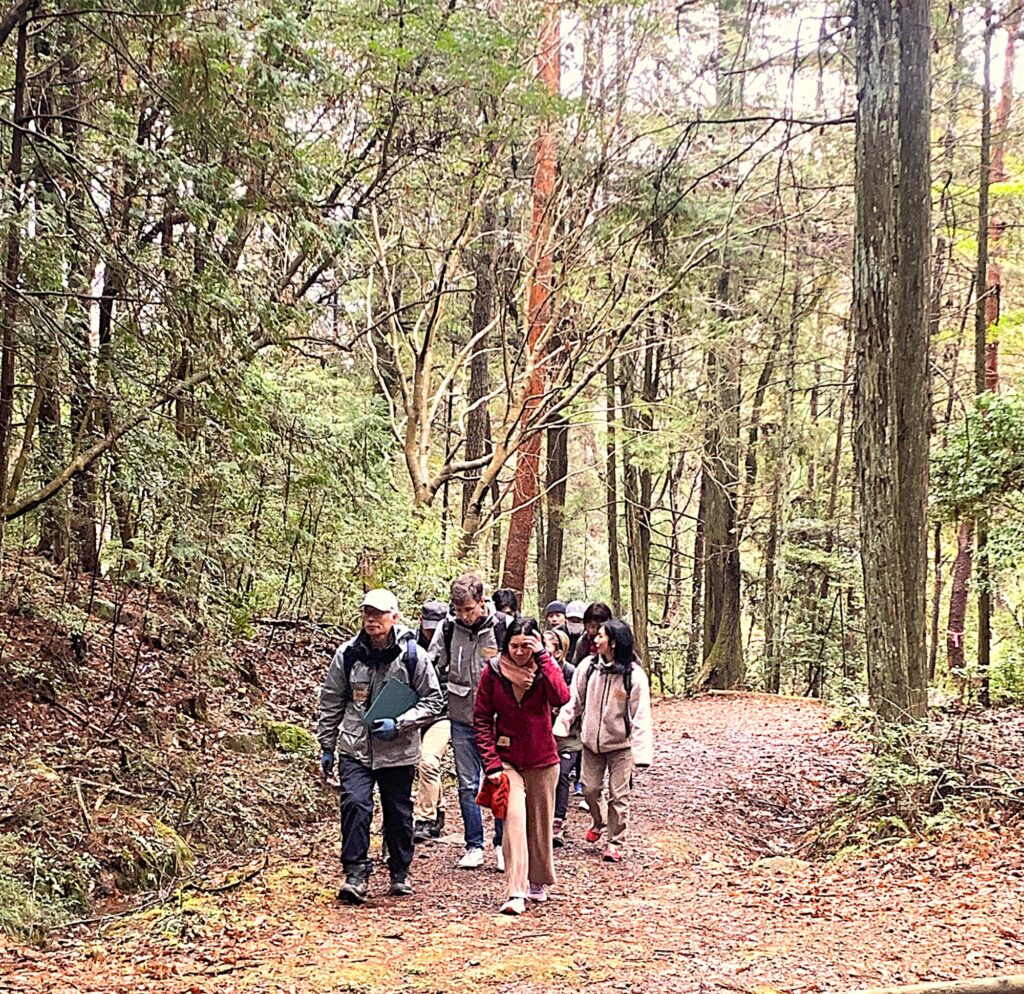
Programs address real-world challenges, including:
- Rural depopulation and community resilience
- Environmental conservation and land use
- Satoyama ecosystems and biodiversity
- Local approaches to sustainability and carbon neutrality
Living Traditions, Not Museum Culture
Traditional practices—food, crafts, seasonal customs—are approached as living knowledge, embedded in everyday rural life rather than staged cultural performances.
Academic Supervision
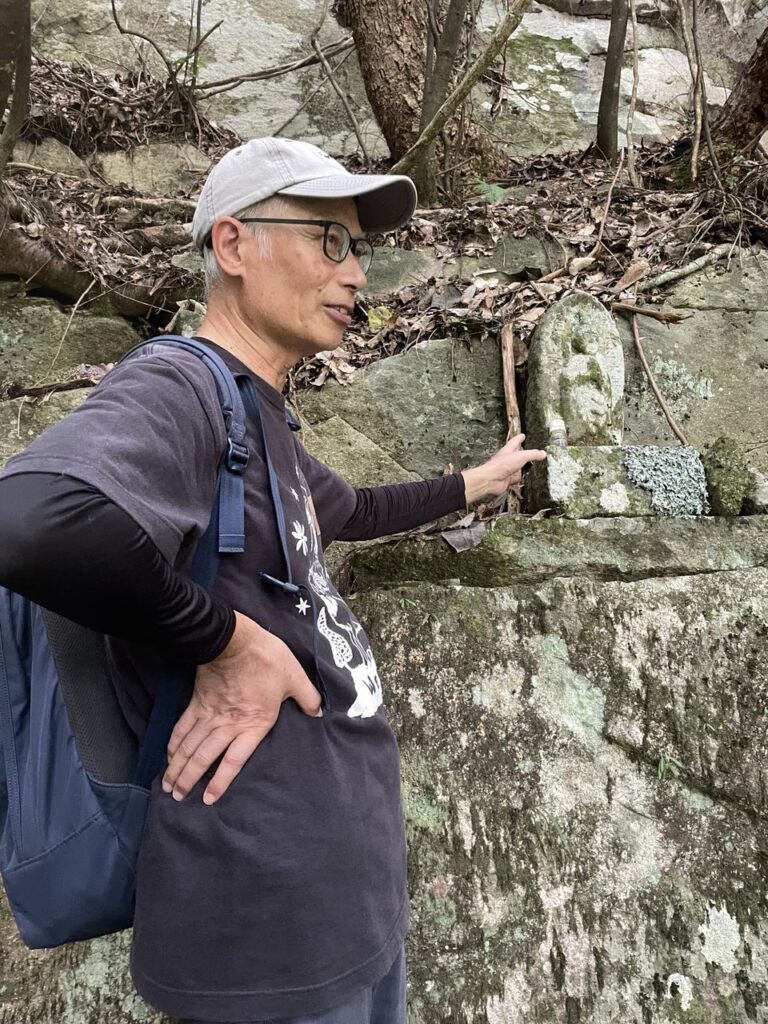
All Study Tour / Social Impact Tour programs are academically supervised by Dr. Takano,
PhD in Environmental Studies (Nagoya University).
Dr. Takano provides academic guidance, ensuring that field experiences are connected to broader themes in environmental studies, rural sociology, and sustainability. This supervision allows participants to engage with local issues through a structured, research-informed lens.
Program Themes (Customizable)
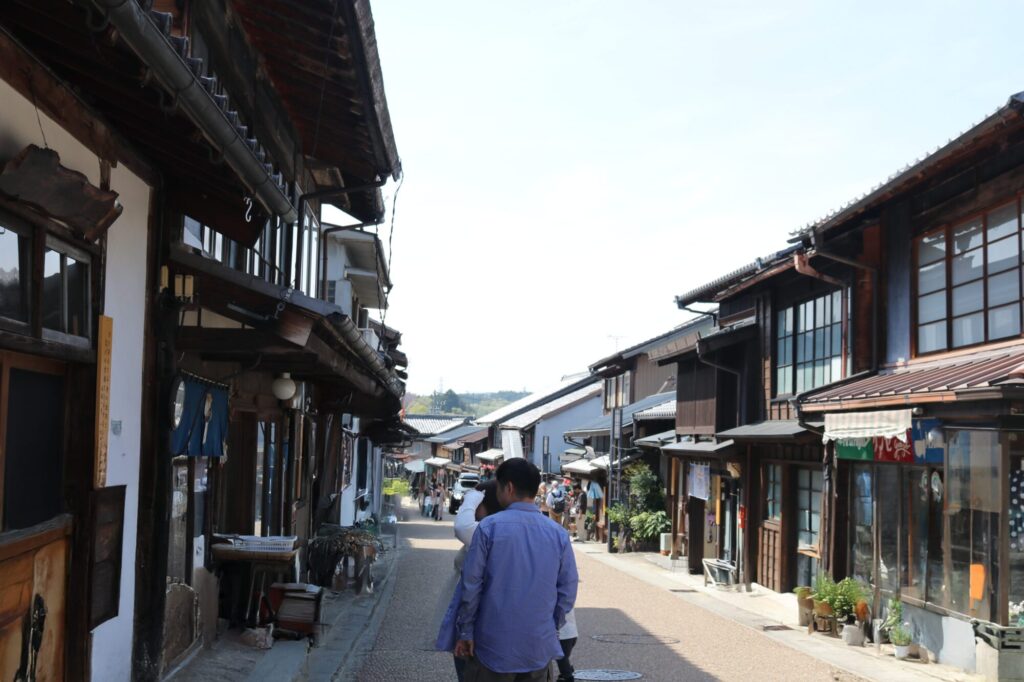
Programs can be tailored to specific academic or thematic interests, including:
- Food systems and sustainable agriculture
- Rural environments and satoyama ecosystems
- Traditional culture and local knowledge
- Depopulation, regional revitalization, and social impact
- Carbon neutrality and community-based sustainability
Duration & Format
- Short-term study tours (2–5 days)
- Intensive programs (1–2 weeks)
- Extended immersive stays (combined with Immersive Programs / Satoyama Study)
Each program is custom-designed according to group size, objectives, and learning level.
Who Is This Program For?
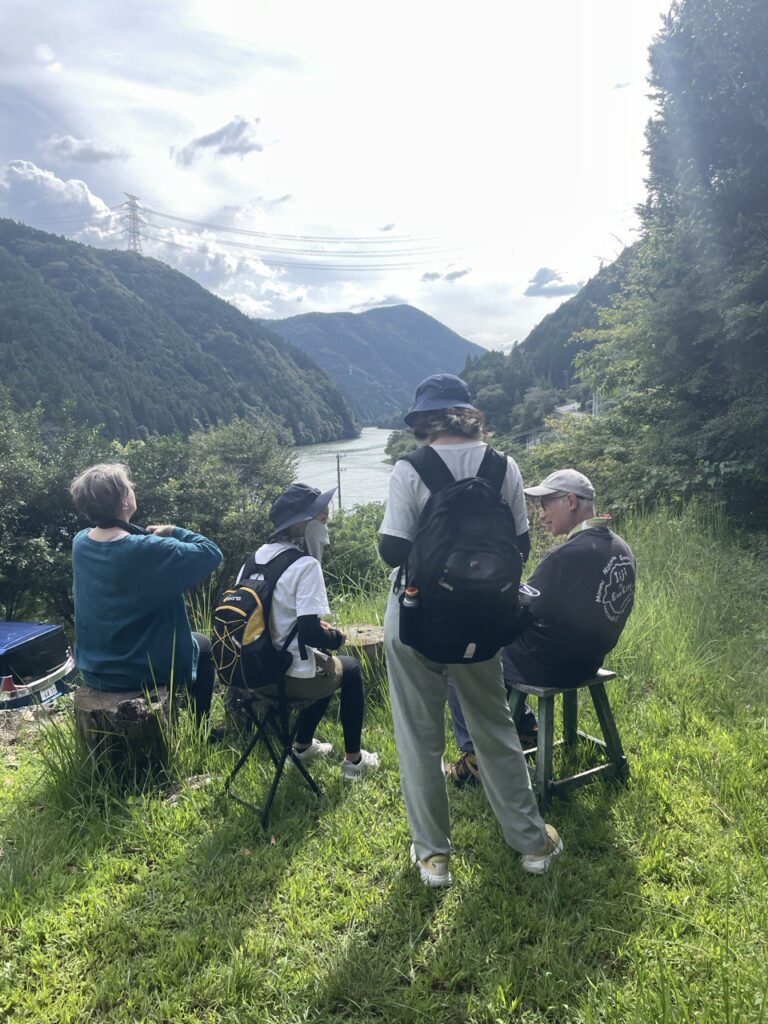
- Universities and academic institutions
- Research groups and graduate programs
- NGOs and organizations focused on sustainability or social impact
- Professionals seeking field-based learning in rural Japan
English-language support is available throughout the program.
Access & Location
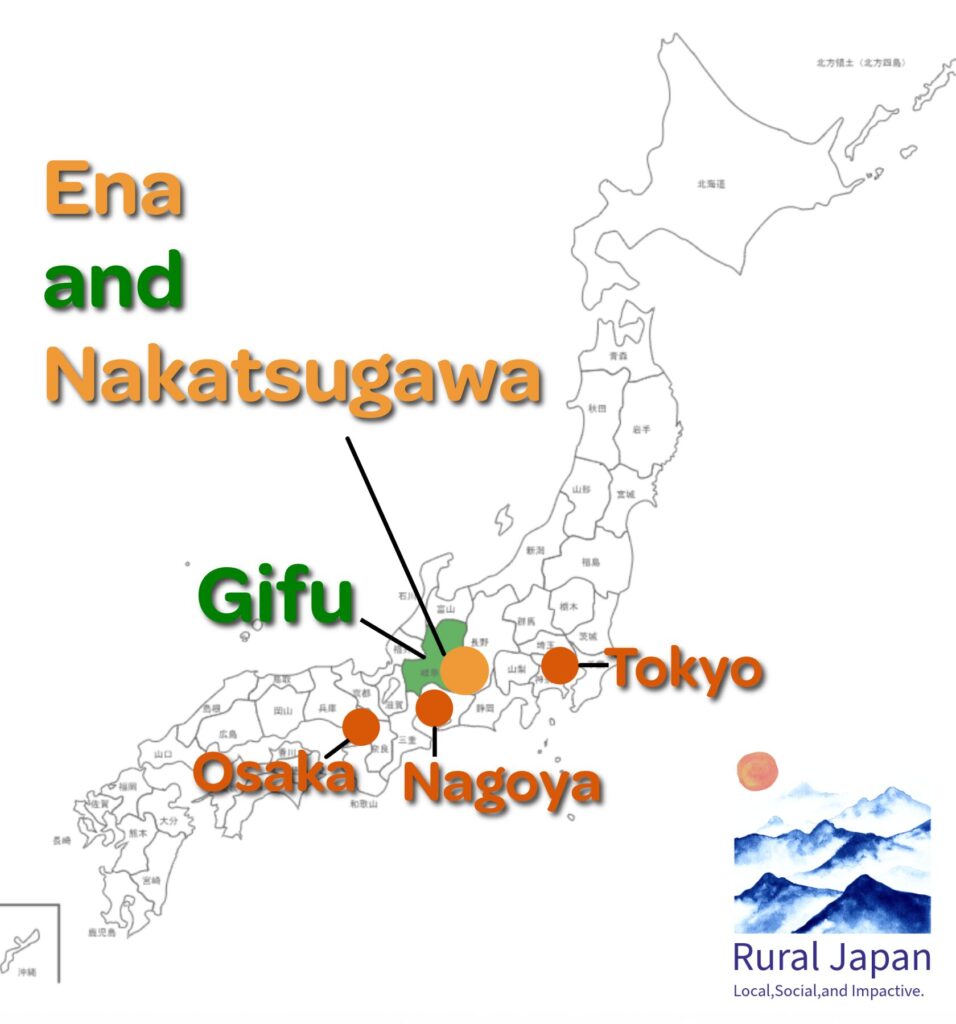
Programs take place across rural communities in Ena and Nakatsugawa, Gifu, with convenient access from Nagoya, Tokyo, Osaka, and the historic Nakasendo route (Magome & Tsumago).
Exact meeting points vary by program and are provided after booking.
Begin the Conversation
Rather than fixed itineraries, we emphasize dialogue and co-design.
Request a Study Tour Consultation
Discuss your objectives, timeline, and academic focus with us.
Custom programs are available for universities and organizations.